
10 Powerful On Page SEO Checklist Tips for Higher Rankings
In today’s competitive digital world, having a website is not enough. If you want your content to rank higher on search engines like Google, you need a strong on page SEO strategy. Proper optimization helps search engines understand your content and improves the overall user experience.
At worldtricks4u, we believe that mastering on page SEO is one of the most important steps for improving organic traffic and growing a website successfully. Whether you are a beginner blogger, business owner, or digital marketer, this detailed guide will help you understand the complete on page SEO checklist you should follow in 2026.
What Is On Page SEO?
On page SEO refers to the process of optimizing individual web pages to improve their rankings in search engine results. It includes optimizing content, HTML elements, website structure, internal links, images, and user experience.
Unlike off page SEO, which focuses on backlinks and external signals, on page SEO is fully under your control. When done correctly, it helps search engines understand your content better while also making your website more useful for visitors.
Why On Page SEO Matters
Search engines prioritize websites that provide high-quality content and a good user experience. Strong on page SEO helps improve:
- Organic traffic
- Search engine rankings
- Click-through rates
- User engagement
- Website authority
- Conversion rates
At worldtricks4u, we always recommend focusing on both content quality and technical optimization for long-term SEO success.
Read More: 7 Powerful Ways to Get Clients Online Fast in 2026
Essential On Page SEO Checklist
1. Use Proper Keyword Research
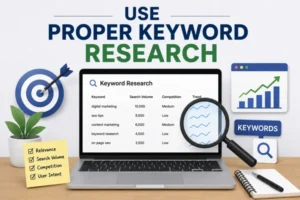
Keyword research is the foundation of successful on page SEO. Before writing content, identify keywords your target audience is searching for.
Choose one primary keyword and a few related keywords naturally connected to your topic.
For example, if your main keyword is “on page SEO,” related keywords could include:
- SEO optimization
- Meta tags
- Internal linking
- Website optimization
- SEO checklist
Avoid keyword stuffing because it can negatively affect rankings. Instead, use keywords naturally throughout the content.
2. Optimize the Title Tag
Your title tag is one of the most important on page SEO elements. It tells both users and search engines what your page is about.
Tips for Writing SEO-Friendly Titles
- Include the main keyword near the beginning
- Keep the title under 60 characters
- Use numbers or power words
- Make it engaging and clickable
Example:
10 Powerful On Page SEO Tips for Higher Rankings
A strong title increases click-through rates and improves visibility in search results.
3. Write an Engaging Meta Description
A meta description is the short summary shown below your page title in search results.
Although it is not a direct ranking factor, it can improve clicks and traffic.
Best Practices for Meta Descriptions
| SEO Element | Recommended Practice |
|---|---|
| Length | 150–160 characters |
| Keyword Usage | Include primary keyword naturally |
| Tone | Clear and engaging |
| CTA | Encourage users to click |
At worldtricks4u, we recommend writing unique meta descriptions for every important page on your website.
4. Use SEO-Friendly URLs
Your URL structure should be clean, short, and descriptive.
Good URL Example:
yourwebsite.com/on-page-seo-checklist
Bad URL Example:
yourwebsite.com/page?id=12345
Simple URLs help users and search engines understand your content easily.
5. Optimize Heading Tags Properly
Heading tags organize your content and improve readability.
Use Headings Correctly
- H1 for the main title
- H2 for major sections
- H3 for subtopics
Include your target keyword naturally in some headings, but avoid overusing it.
Well-structured content improves user experience and helps search engines understand page hierarchy.
6. Create High-Quality Content
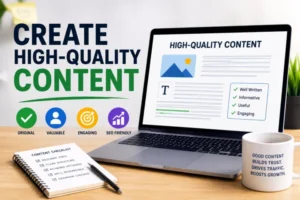
Content quality remains the most important factor in on page SEO.
Search engines prefer content that is:
- Helpful
- Original
- Informative
- Easy to read
- Updated regularly
Write for Users First
Instead of focusing only on keywords, create content that solves real problems.
At worldtricks4u, we always suggest writing detailed articles that provide genuine value to readers because helpful content performs better in search results.
7. Optimize Images for SEO
Images improve engagement, but large image files can slow down your website.
Image Optimization Checklist
- Compress image sizes
- Use descriptive file names
- Add alt text
- Choose modern formats like WebP
- Ensure mobile responsiveness
Alt text also helps search engines understand image content and improves accessibility.
8. Improve Internal Linking
Internal links connect one page of your website to another.
Strong internal linking helps:
- Improve website navigation
- Increase page authority
- Keep users on your site longer
- Help search engines crawl pages efficiently
For example, if you have a blog about technical SEO, you can internally link it to your on page SEO article.
At worldtricks4u, internal linking is an important part of our SEO strategy because it improves both user experience and search engine visibility.
9. Focus on Mobile Optimization
Google uses mobile-first indexing, which means the mobile version of your website is prioritized for ranking.
Mobile SEO Best Practices
- Use responsive design
- Improve loading speed
- Use readable font sizes
- Avoid intrusive pop-ups
- Ensure buttons are mobile-friendly
A poor mobile experience can negatively affect rankings and increase bounce rates.
10. Improve Page Speed
Website speed is a direct ranking factor.
Slow-loading pages frustrate users and reduce conversions.
Ways to Improve Website Speed
- Use fast hosting
- Compress images
- Minimize CSS and JavaScript
- Enable browser caching
- Use a Content Delivery Network (CDN)
Fast websites provide better user experiences and improve SEO performance.
11. Add External Links to Trusted Sources
External links help provide additional value and context to readers.
Linking to trusted and authoritative websites can improve credibility and user trust.
However, avoid linking to low-quality or spammy websites.
12. Use Schema Markup
Schema markup helps search engines understand your content more clearly.
It can improve search appearance by adding rich snippets such as:
- Star ratings
- FAQs
- Product information
- Review details
Rich snippets often increase click-through rates in search results.
13. Optimize for User Experience
User experience plays a major role in modern on page SEO.
Search engines analyze user behavior signals like:
- Bounce rate
- Time on page
- Click-through rate
Ways to Improve User Experience
- Use simple layouts
- Break content into short paragraphs
- Add visuals and spacing
- Improve readability
- Use clear navigation
At worldtricks4u, we recommend designing content for both readers and search engines equally.
14. Update Old Content Regularly
SEO is not a one-time process. Updating older content helps maintain rankings and freshness.
You can update:
- Statistics
- Keywords
- Internal links
- Images
- Examples
- SEO optimization
Fresh content often performs better in search results.
Conclusion
A strong on page SEO strategy is essential for improving search rankings, increasing traffic, and providing a better user experience. From keyword research and optimized headings to mobile responsiveness and page speed, every detail matters.
At worldtricks4u, we believe that successful SEO is about creating valuable content while also following technical best practices. By using this complete on page SEO checklist, you can improve your website’s performance and build long-term online growth.
Focus on consistency, user experience, and high-quality content, and your SEO results will improve over time.
FAQs
1. What is on page SEO?
On page SEO is the process of optimizing web pages to improve search engine rankings and user experience.
2. Why is on page SEO important?
It helps improve website visibility, organic traffic, and overall search engine performance.
3. How many keywords should I use in on page SEO?
Use one primary keyword and a few related keywords naturally without keyword stuffing.
4. Does page speed affect on page SEO?
Yes, faster websites provide better user experience and improve search rankings.
