In today’s digital marketing landscape, simply collecting email addresses is not enough. To turn subscribers into loyal customers, you need a well-structured email funnel. An effective email marketing funnel helps guide your audience step-by-step—from awareness to conversion—while building trust and long-term relationships.
If you want higher open rates, better engagement, and more sales, understanding how to create and optimize your email funnel is essential. This guide will walk you through the complete process in a simple and practical way.
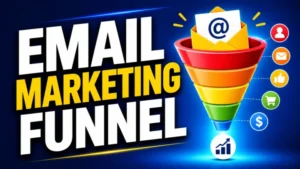
What is an Email Funnel?
An email is a series of automated emails designed to move subscribers through different stages of the buyer journey. It starts when someone joins your email list and continues until they become a customer—and even beyond.
The goal of an email f is to:
- Build trust with your audience
- Educate potential customers
- Nurture leads
- Drive conversions
Think of it as a guided path that helps users take the right action at the right time.
Read More : YouTube SEO Strategy: Rank Videos Fast in 2026
Why an Email Funnel is Important
A strong email can transform your marketing results. Instead of sending random emails, you create a structured journey that delivers value consistently.
Key Benefits
- Higher conversion rates
- Better audience targeting
- Increased customer retention
- Automated marketing process
- Stronger brand relationships
Without a proper funnel, you risk losing potential customers along the way.
Stages of an Email Funnel
To build a successful email , you must understand its key stages. Each stage has a different purpose and requires a different type of content.
1. Awareness Stage
At this stage, people discover your brand. They may sign up through a lead magnet, blog, or landing page.
What to Send:
- Welcome email
- Free resources (ebooks, guides)
- Introduction to your brand
2. Consideration Stage
Here, subscribers are evaluating your offerings. Your goal is to build trust and show value.
What to Send:
- Educational content
- Case studies
- Testimonials
- Helpful tips
3. Conversion Stage
This is where you encourage users to take action—like making a purchase or booking a service.
What to Send:
- Product offers
- Limited-time discounts
- Clear call-to-action (CTA)
4. Retention Stage
After conversion, your email continues to nurture the relationship.
What to Send:
- Follow-up emails
- Customer support tips
- Loyalty rewards
- Upsell or cross-sell offers
How to Build an Effective Email Funnel
Creating a high-converting email requires planning and strategy.
Step 1: Define Your Goal
Decide what you want to achieve:
Your entire email funnel should align with this goal.
Step 2: Create a Lead Magnet
Offer something valuable in exchange for email addresses.
Examples:
- Free guide
- Checklist
- Discount code
- Webinar
A strong lead magnet is the foundation of your funnel.
Step 3: Segment Your Audience
Not all subscribers are the same. Segment your list based on:
- Interests
- Behavior
- Purchase history
Segmentation helps deliver personalized emails, improving your email performance.
Step 4: Write Engaging Emails
Your emails should be:
- Clear and concise
- Value-driven
- Personalized
- Action-oriented
Avoid being too salesy—focus on helping your audience.
Step 5: Automate Your Funnel
Use email automation tools to send emails at the right time.
Automation ensures:
- Consistency
- Better timing
- Improved efficiency
Funnel Example Structure
Here’s a simple structure you can follow:
| Stage |
Email Type |
Goal |
| Awareness |
Welcome Email |
Introduce your brand |
| Consideration |
Educational Content |
Build trust |
| Consideration |
Case Study/Testimonial |
Show proof |
| Conversion |
Offer Email |
Drive purchase |
| Retention |
Follow-up Email |
Build loyalty |
Best Practices for Email Funnel Optimization
To get the best results from your email , follow these modern SEO and marketing practices:
1. Use Strong Subject Lines
Your subject line determines whether your email gets opened.
- Keep it short and clear
- Create curiosity
- Add personalization
2. Focus on Personalization
Use the subscriber’s name and tailor content based on their behavior. Personalized emails perform better in any email .
3. Optimize for Mobile
Most users check emails on mobile devices. Ensure:
- Responsive design
- Short paragraphs
- Clear CTAs
4. Test and Improve
A/B testing helps improve your email .
Test:
- Subject lines
- Email copy
- CTA buttons
- Send times
Common Email Funnel Mistakes to Avoid
Even a well-planned email funnel can fail if you make these mistakes:
- Sending too many emails
- Ignoring audience segmentation
- Writing overly promotional content
- Not tracking performance
- Weak call-to-action
Avoid these to maintain a high-performing funnel.
Tools to Build an Email Funnel
To create and manage your email funnel, you can use tools like:
- Email marketing platforms
- CRM software
- Automation tools
These tools help streamline your process and improve efficiency.
How Email Funnel Supports SEO and Business Growth
While email marketing is different from traditional SEO, a strong email funnel indirectly boosts your online presence.
Benefits for SEO
- Drives traffic to your website
- Increases user engagement
- Builds brand authority
- Encourages repeat visits
When combined with content marketing, your email funnel becomes a powerful growth tool.
Conclusion
An effective email funnel is more than just sending emails—it’s about building relationships, providing value, and guiding your audience toward meaningful actions. By understanding each stage of the funnel and optimizing your strategy, you can increase conversions and grow your business consistently.
Start small, focus on your audience, and continuously improve your email funnel for the best results.
FAQs
1. What is an email funnel?
An email funnel is a series of automated emails designed to guide users from awareness to conversion.
2. How many emails should be in an email funnel?
Typically, 5–7 emails are enough, depending on your goal and audience.
3. What is the most important part of an email funnel?
Building trust and providing value are the most important aspects.
4. Can beginners create an email funnel?
Yes, with simple tools and strategy, anyone can build an effective email funnel.