
12 Powerful Keyword Research Tips for Better SEO Rankings
f you want to grow a website, improve search rankings, and attract the right audience, learning proper keyword research is essential. No matter how good your content is, it will struggle to rank on search engines if you are targeting the wrong keywords.
At worldtricks4u, we believe keyword research is the foundation of every successful SEO strategy. Whether you are a blogger, business owner, freelancer, or digital marketer, understanding how people search online can help you create content that drives real traffic.
This complete research guide explains everything beginners need to know, including how to find keywords, choose the best ones, and use them effectively for SEO success.

What Is Keyword Research?
Keyword is the process of finding and analyzing the words and phrases people type into search engines like Google.
These keywords help businesses and content creators understand:
- What users are searching for
- How competitive a topic is
- Which content opportunities exist
- What type of traffic they can attract
For example, if someone searches for “best SEO tools,” Google will show pages optimized around that keyword.
Good keyword helps your content match user intent and improves the chances of ranking higher in search results.
Read More: 10 Powerful Business Website Importance Benefits for Growth
Why Keyword Research Is Important
Without proper keyword research, creating SEO content becomes difficult because you may target topics that people are not searching for.
Keyword helps:
- Increase organic traffic
- Improve search engine rankings
- Understand audience behavior
- Discover trending topics
- Build better content strategies
- Increase conversions
At worldtricks4u, we always recommend starting every blog post and SEO campaign with strong research.
Types of Keywords
Understanding keyword types is important for building a balanced SEO strategy.
| Keyword Type | Example | Purpose |
|---|---|---|
| Short-Tail Keywords | SEO tools | Broad search traffic |
| Long-Tail Keywords | best free SEO tools for beginners | Targeted traffic |
| Informational Keywords | how keyword research works | Educational content |
| Transactional Keywords | buy SEO software | Sales-focused traffic |
| Local Keywords | SEO services in Delhi | Local audience targeting |
Long-tail keywords are often easier to rank for because they have lower competition and more targeted search intent.
How Search Intent Works
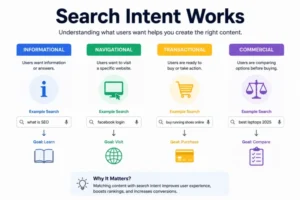
Search intent refers to the reason behind a user’s search query.
Google tries to show results that best match user intent.
Common Search Intent Types
Informational Intent
Users want information or answers.
Example:
“what is keyword research”
Navigational Intent
Users want to visit a specific website.
Example:
“Google Keyword Planner”
Transactional Intent
Users are ready to buy or take action.
Example:
“buy keyword research tool”
Understanding intent helps create more useful and relevant content.
Step-by-Step Keyword Guide
1. Start With a Main Topic
Begin by choosing a broad topic related to your niche or business.
For example:
- Digital marketing
- SEO
- Blogging
- Website optimization
- Google Ads
Once you choose a topic, brainstorm related keywords users may search for.
At worldtricks4u, we recommend focusing on topics that match both user interest and your website goals.
2. Use Keyword Research Tools
Keyword tools help identify search volume, competition, and keyword opportunities.
Popular tools include:
- Google Keyword Planner
- Ahrefs
- SEMrush
- Ubersuggest
- Google Trends
These tools provide valuable data that can help improve your SEO strategy.
3. Focus on Long-Tail Keywords
Long-tail keywords are more specific search phrases with lower competition.
Example:
Instead of targeting:
“SEO”
You can target:
“best SEO tips for small business websites”
Long-tail keywords often bring more targeted visitors who are more likely to engage or convert.
At worldtricks4u, we highly recommend beginners focus on long-tail keywords first because they are easier to rank for.
4. Analyze Keyword Competition
Not every keyword is easy to rank for.
Some keywords are highly competitive because large websites already dominate search results.
Before choosing a keyword, analyze:
- Domain authority of competitors
- Content quality
- Backlink strength
- Search intent
- Keyword difficulty
Targeting lower-competition keywords can help new websites grow faster.
5. Check Search Volume
Search volume shows how many people search for a keyword each month.
High-volume keywords may attract more traffic, but they are usually more competitive.
Low-volume keywords may bring smaller traffic, but they often have better ranking opportunities.
Balancing search volume and competition is important in keyword research.
Importance of Keyword Placement

Finding keywords is only part of SEO success. Proper placement also matters.
Your target keyword should appear naturally in:
- Title
- Introduction
- Headings
- Meta description
- URL
- Image alt text
- Content body
However, avoid keyword stuffing because it can harm SEO performance.
At worldtricks4u, we always recommend writing naturally for users first and optimizing for search engines second.
Use Related and Semantic Keywords
Google has become smarter at understanding content meaning.
Instead of repeating the same keyword many times, use related terms and variations naturally.
For example, related terms for keyword research may include:
- SEO keywords
- Search volume
- Search intent
- Keyword analysis
- Organic traffic
Semantic keywords help improve content relevance and readability.
Competitor Keyword Analysis
Analyzing competitor websites is a powerful keyword research strategy.
You can study:
- Which keywords competitors rank for
- Their top-performing pages
- Content structure
- Traffic-driving topics
This helps identify opportunities you may have missed.
At worldtricks4u, competitor research is an important part of building strong SEO strategies.
Common Keyword Research Mistakes
Many beginners make mistakes that limit SEO growth.
Common Mistakes Include
- Choosing keywords without search intent
- Targeting highly competitive keywords
- Ignoring long-tail keywords
- Keyword stuffing
- Not updating keyword strategies
- Ignoring mobile search trends
Avoiding these mistakes can improve content performance significantly.
Keyword Research for Voice Search
Voice search is becoming more popular because of smartphones and smart assistants.
Voice searches are usually longer and more conversational.
Example:
Instead of typing:
“best SEO tools”
Users may ask:
“What are the best SEO tools for beginners?”
Optimizing content for conversational queries can improve future SEO opportunities.
Importance of Updating Keyword Strategies
SEO trends change regularly, so keyword research should not be a one-time process.
Regular updates help identify:
- New keyword trends
- Changing user behavior
- Seasonal topics
- New ranking opportunities
Refreshing old content with updated keywords can improve rankings and traffic.
Conclusion
Keyword research is one of the most important parts of successful SEO. It helps businesses and content creators understand what users are searching for and how to create content that matches their needs.
From finding long-tail keywords and understanding search intent to analyzing competitors and optimizing keyword placement, every step plays an important role in SEO success.
At worldtricks4u, we believe that smart keyword research creates the foundation for long-term website growth. By following this keyword research guide, beginners can improve rankings, increase traffic, and create more valuable content for their audience.
FAQs
1. What is keyword research in SEO?
Keyword research is the process of finding search terms people use on Google to improve SEO content and rankings.
2. Why is keyword research important?
It helps websites attract targeted traffic, improve rankings, and understand user search behavior.
3. What are long-tail keywords?
Long-tail keywords are longer and more specific search phrases with lower competition.
4. Which tool is best for keyword research?
Popular keyword research tools include Google Keyword Planner, Ahrefs, SEMrush, and Ubersuggest.
